
Best Natural Personal Care Products That Actually Work (2026 Guide)

Best Natural Personal Care Products That Actually Work (2026 Guide)
This post contains affiliate links. We may earn a small commission at no extra cost to you.
Natural personal care products have become more than just a trend—they are a booming industry projected to reach $54 billion by 2026. But what exactly are these products? And more importantly, which ones really deliver on their promises? This guide will break down everything you need to know about natural personal care, from certifications and ingredients to the best products for skin, hair, and body.
What Are Natural Personal Care Products?
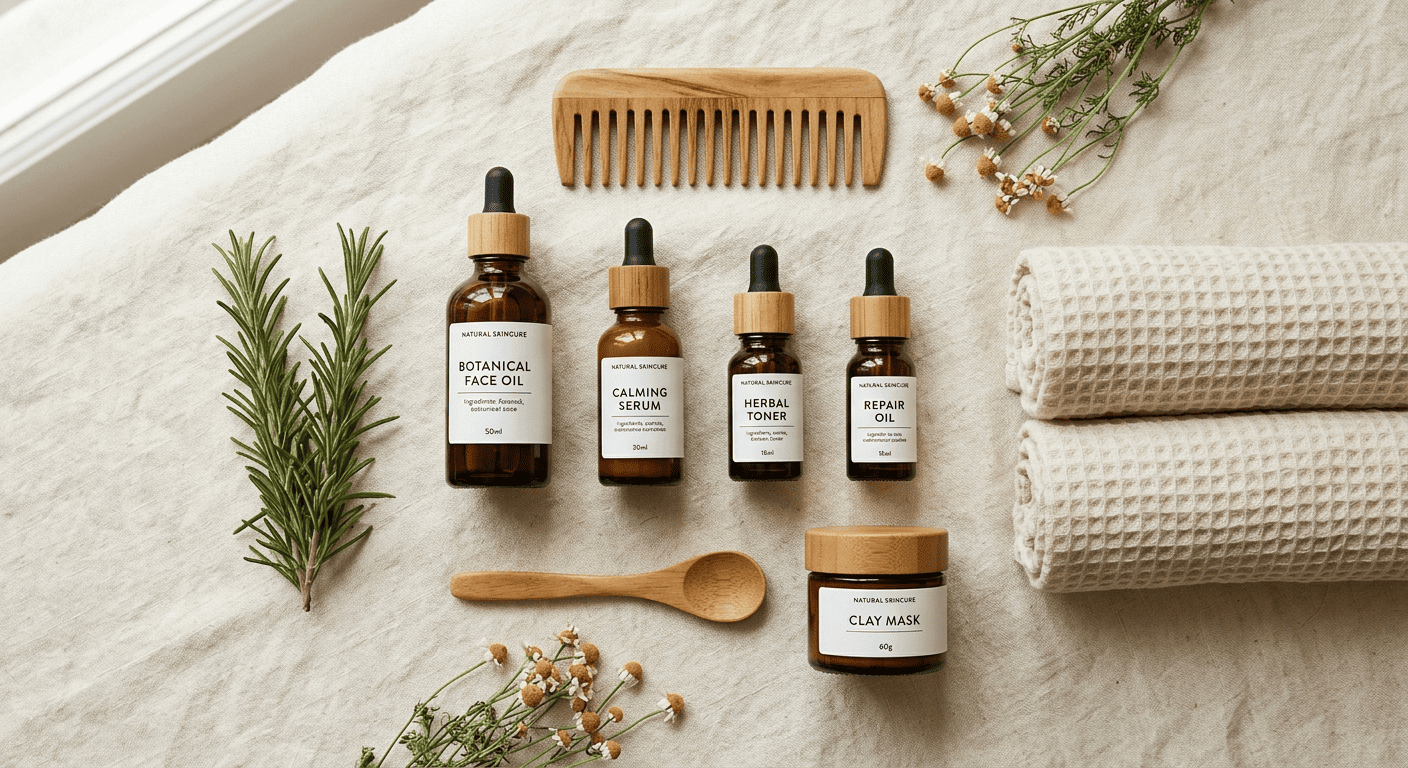
Natural personal care products are formulations made primarily from plant-based or naturally occurring ingredients, designed to be safer for both your body and the environment. They typically avoid synthetic chemicals and harsh additives. To ensure authenticity, look for certifications like COSMOS, NATRUE, ECOCERT, and USDA Organic. These independent seals verify that the products meet strict standards for natural and organic content.
Ingredients to Avoid
Many conventional personal care products contain ingredients that may cause irritation or long-term health concerns. Here’s a quick table highlighting common harmful ingredients, where they’re found, and why they’re concerning:
| Ingredient | Found In | Why It’s a Concern |
|---|---|---|
| Parabens | Preservatives in lotions, shampoos, deodorants | Possible hormone disruptors, linked to breast cancer concerns |
| SLS (Sodium Lauryl Sulfate) | Foaming agents in cleansers, shampoos | Can irritate skin & eyes, strip natural oils |
| Synthetic Fragrance | Perfumes in deodorants, lotions, soaps | May trigger allergies, contains undisclosed chemicals |
| Phthalates | Fragrance stabilizers in sprays, lotions | Endocrine disruptors, potential reproductive harm |
| Formaldehyde releasers | Preservatives in nail polish, shampoos | Carcinogenic risks, skin sensitizers |
| Mineral oil | Occlusive agents in creams, lotions | Can clog pores, derived from petroleum |
Natural Alternatives
- Botanical Extracts: Calendula, chamomile, green tea for soothing properties.
- Plant Surfactants: Decyl glucoside, coco glucoside for gentle cleansing.
- Natural Preservatives: Rosemary extract, grapefruit seed extract.
- Essential Oils: Lavender, tea tree, and peppermint for fragrance and antimicrobial benefits.
Best Natural Skincare Products
Cleanser
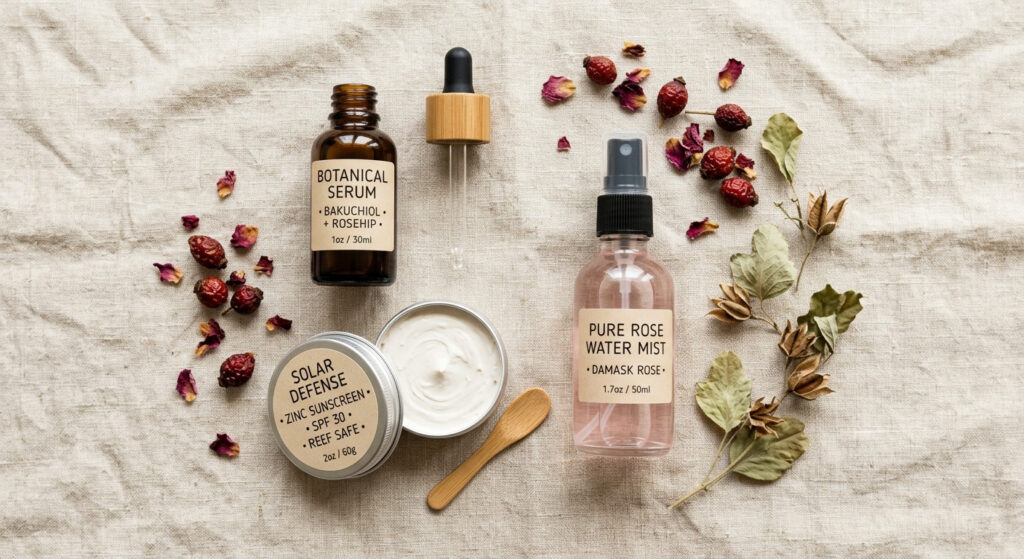
Look for a cleanser with a pH of 4.5-5.5 to maintain skin’s natural barrier. Plant-based surfactants, like decyl glucoside or saponin-rich extracts (quillaja), cleanse gently without stripping moisture.
Moisturiser
Choose moisturisers featuring hyaluronic acid paired with nourishing oils like rosehip or marula. These ingredients hydrate deeply while providing antioxidant benefits.
SPF
Mineral sunscreens with zinc oxide or titanium dioxide offer broad-spectrum protection without harmful chemicals. Opt for non-nano zinc oxide to avoid potential absorption into skin.
Face Serum
Bakuchiol is a natural, plant-based alternative to retinol backed by a British Journal of Dermatology study showing similar anti-aging effects but gentler on the skin.
Best Natural Haircare Products
Shampoo
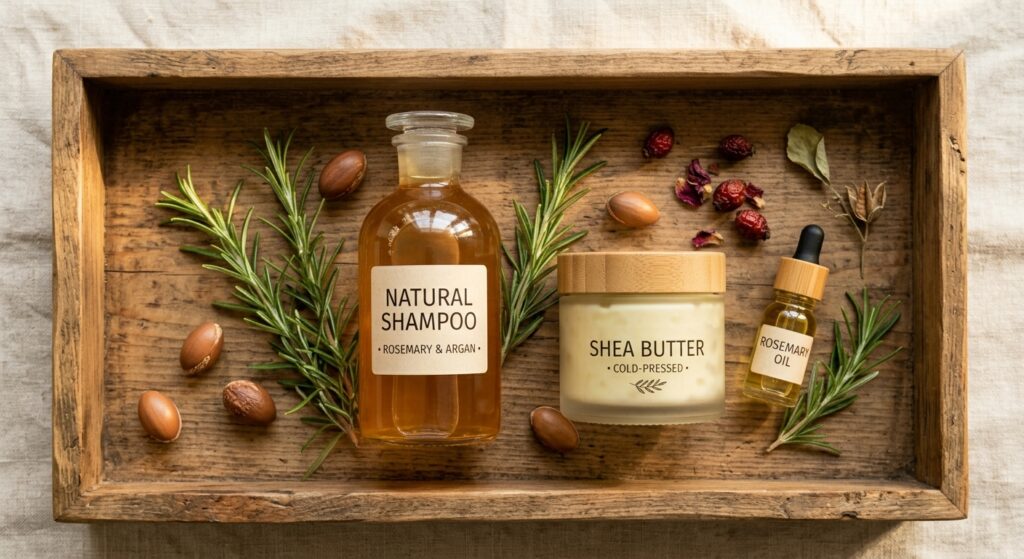
Choose SLS-free shampoos to avoid harsh stripping. A 2-4 week transition period helps your scalp adjust as natural oils rebalance.
Conditioner/Hair Mask
Look for ingredients like plant butters (shea, cocoa), argan oil, and hydrolysed quinoa protein to nourish and strengthen hair.
Scalp Serums
Rosemary oil diluted to 2% is excellent for scalp health and stimulating growth.
Best Natural Body Care Products

Body Wash & Soap
Cold-process bar soaps made with natural fats and oils clean effectively without drying the skin.
Body Lotion & Oil
Use single-ingredient oils (like jojoba, sweet almond) applied on damp skin to lock in moisture naturally.
Lip Balm
Opt for beeswax-based balms or carnauba wax for a vegan-friendly alternative.
Best Natural Deodorant
| Type | How It Works | Main Ingredient | Sweat? | Odour? |
|---|---|---|---|---|
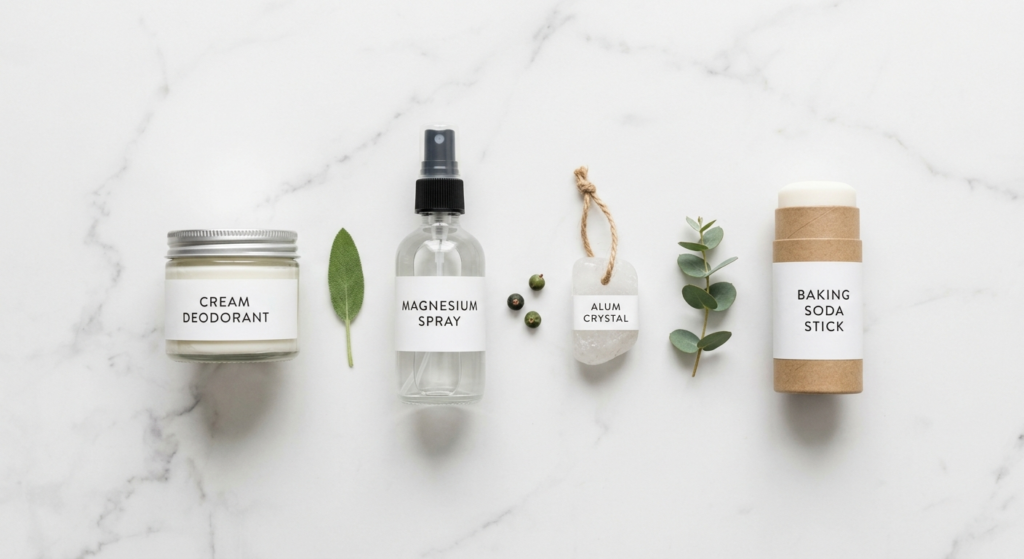
| Conventional Antiperspirant | Blocks sweat glands to stop sweating | Aluminium compounds | Prevents sweat | Mask odour |
| Natural Baking Soda | Neutralises odour-causing bacteria | Sodium bicarbonate | Allows sweat | Reduces odour |
| Natural Magnesium | Balances skin pH and neutralises odour | Magnesium hydroxide | Allows sweat | Reduces odour |
| Alum Crystal | Acts as an astringent and antibacterial | Potassium alum | Allows sweat | Reduces odour |
Transitioning to natural deodorants usually requires 1-3 weeks for your body to adjust. For sensitive skin, magnesium hydroxide formulas are often the gentlest option.
How to Transition Your Routine Gradually

- Week 1-2: Switch body care products (lotions, body wash).
- Week 3-4: Replace your facial cleanser.
- Week 5-6: Change shampoo and conditioner.
- Week 7-8: Transition deodorant.
- Ongoing: Introduce serums and SPF products gradually.
Pro Tip: Avoid changing multiple products in the same week to pinpoint any reactions.
FAQ
Are natural personal care products better for sensitive skin?
Often yes, because they avoid harsh chemicals. However, some essential oils may irritate sensitive skin, so always patch test new products.
Do natural personal care products expire faster?
Yes, typically within 6-12 months after opening. Store them away from heat and humidity to preserve their integrity.
What certifications should I look for?
Look for COSMOS, NATRUE, USDA Organic, and EWG Verified logos to ensure product authenticity.
Are natural personal care products better for the environment?
Often yes, due to biodegradable ingredients and fewer synthetic chemicals. However, check packaging and look for B Corp certifications for a holistic approach.
Is fragrance-free the same as naturally scented?
No. Fragrance-free means no added scents, natural or synthetic. Naturally scented products derive aroma from essential oils or botanical extracts.
Can natural personal care products work for oily or acne-prone skin?
Yes! Ingredients like jojoba oil, niacinamide, willow bark, and tea tree oil help balance oil production and soothe acne-prone skin.
Conclusion
Switching to natural personal care products is a rewarding journey toward healthier skin, hair, and body, as well as a kinder footprint on the planet. With the right knowledge and gradual transition, you can enjoy effective and safe products that truly work. Dive in confidently and embrace your natural beauty!
Affiliate Disclosure: Some links in this post may be affiliate links. If you purchase through these links, we may earn a small commission at no extra cost to you. Thank you for supporting GritnGraceEdit.com!
Read Also: